








Google announced Rambler, a new AI-powered voice dictation feature for Gboard — its widely used Android keyboard app — at its Android Show: I/O Edition 2026 event on Tuesday morning. The launch puts Google in direct competition with the likes of Wispr Flow and Typeless, a growing crop of AI-powered dictation apps that have built audiences on desktop and mobile in recent years—most of which have yet to establish a strong foothold on Android.
Just like other dictation apps, Ramber removes filler words like “ums” and “ahs”. It also understands mid-sentence corrections like, “I am going to meet you on Wednesday at our usual coffee shop at 3 PM… umm, 2 PM.”
Google said it is using Gemini-based multilingual models that also support code switching. Code switching means users can move between languages mid-sentence — say, from English to Hindi — and Rambler will follow along without losing context. It’s a capability that reflects how many multilingual speakers actually communicate, and one that most Western dictation apps have been slow to support.
The company said that Gboard will clearly indicate to its users that the Rambler feature is in use. It doesn’t store any voice recordings and uses the audio only to transcribe what users speak. Google mentioned during the briefing that, as you can use the Rambler feature across all apps, it is like “reinventing the keyboard.”
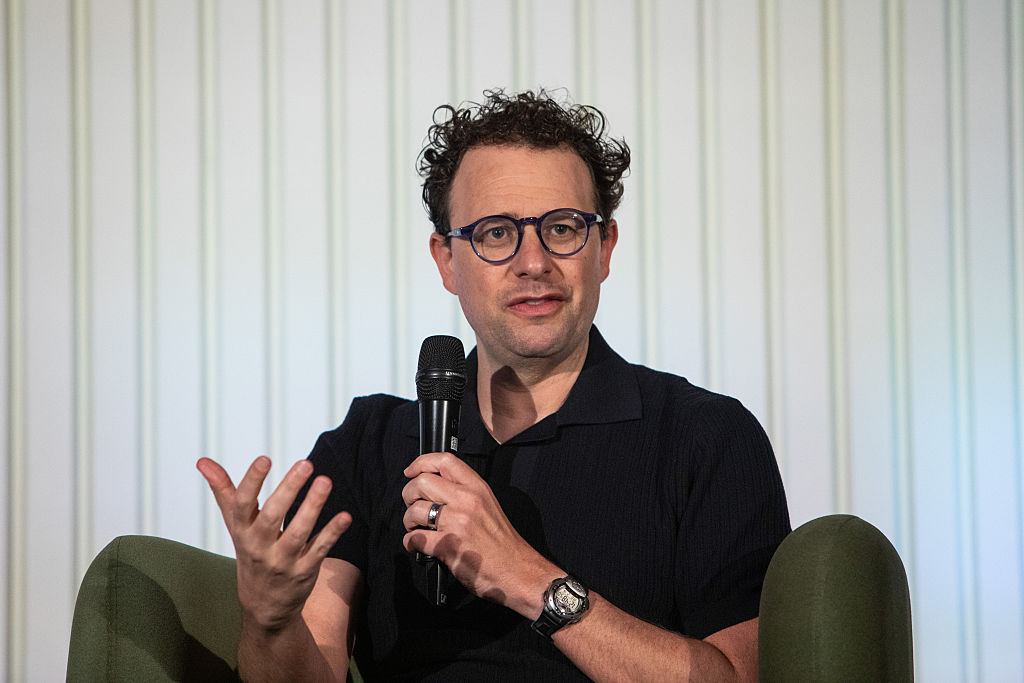
On privacy, Ben Greenwood, director of Android Core Experiences, said Google uses a combination of on-device and cloud-based processing, and has “invested significantly over many years” to ensure features are “safe and private” — a calculated message to users weighing Rambler against third-party dictation apps that may handle data differently.
In the past few years, a host of dictation apps — Wispr Flow, Willow, SuperWhisper, Monoglogue, Handy, and Typeless — have cropped up. But until now, most of that activity has been on desktop and iOS, leaving Android relatively underserved. Google itself released AI Edge Eloquent, an offline-first dictation app powered by its on-device Gemma AI models, on iOS last month.
Rambler is Google’s clearest move yet to close that gap. These new features will be limited to Samsung Galaxy and Google Pixel phones for an initial summer rollout, but will eventually reach other Android devices. The core advantage here is distribution: Gboard is the default keyboard for the vast majority of Android users worldwide, meaning Rambler arrives pre-installed for hundreds of millions of people. When a platform player enters a market at the operating-system level, standalone apps need a compelling reason — better accuracy, deeper features, or stronger privacy guarantees — to justify a separate download.
For dictation startups, the question is no longer whether they can build something good — it’s whether they can build something good enough that users actively go looking for it.
When you purchase through links in our articles, we may earn a small commission. This doesn’t affect our editorial independence.