







Artificial intelligence isn’t just a tech story. It’s an electricity story, too.
Wall Street increasingly believes that the build-out of AI data centers could drive one of the largest expansions in power demand in decades.
According to Goldman Sachs, as hyperscalers race to build the infrastructure needed to operate increasingly complex AI models, global data center power demand could rise roughly 160% by 2030. Meanwhile, U.S. electricity demand from data centers alone may nearly triple during that period. Our power grids were not built for this kind of demand growth.
Large AI data centers consume enormous amounts of electricity. Some hyperscale campuses are now being designed to consume hundreds of megawatts of electricity, putting their power needs on par with those of medium-sized cities.
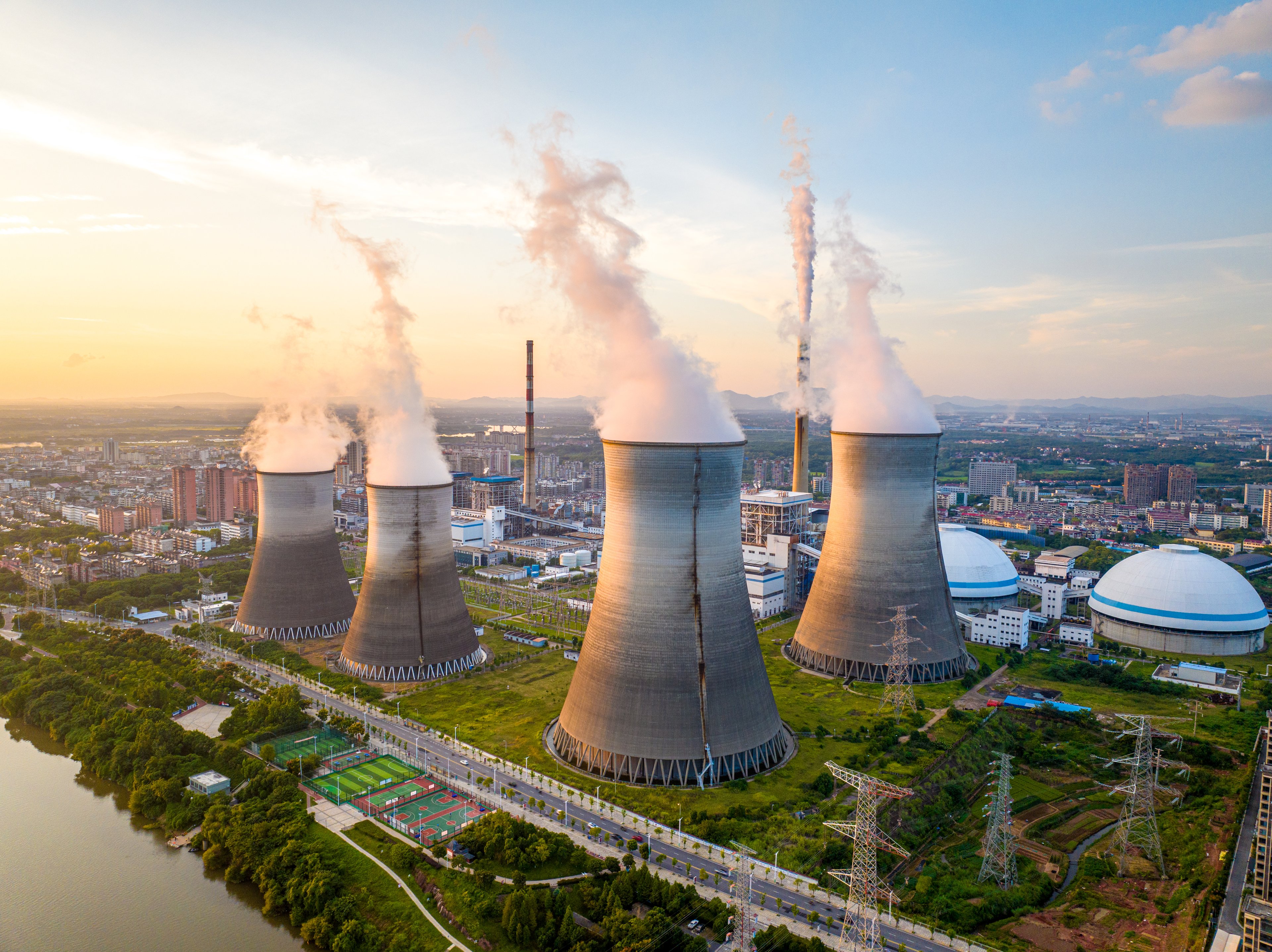
Image source: Getty Images.
That is one reason some utility and power infrastructure stocks have been doing so well. Perhaps the most important one for investors to pay attention to is Constellation Energy (CEG +2.98%).
Nuclear plus renewables for the win
Constellation is currently the largest producer of nuclear energy in the U.S., operating a fleet of nuclear reactors capable of supplying stable baseload electricity around the clock.
The company also operates renewable energy and power management operations, including wind, solar, and hydroelectric power, as well as energy optimization services. That combination isn’t trivial.
AI data centers increasingly require both reliable 24/7 electricity generation and broader grid flexibility to handle waxing and waning power demand. Nuclear plants can provide stable baseload electricity, while renewable energy sources paired with battery storage and grid-management systems are becoming increasingly important for balancing peak demand and stabilizing aging power grids.
In other words, Constellation is not simply a nuclear story.
However, nuclear energy is becoming central to the AI infrastructure discussion.
Microsoft recently signed a long-term commercial power agreement to restart one of the reactors at the former Three Mile Island nuclear facility to support future AI-related electricity demand. Amazon, Alphabet, and other hyperscalers have also continued investing heavily in nuclear, battery storage, and broader energy infrastructure projects.
The numbers matter
Constellation generated about $4.2 billion in operating cash flow during 2025 while continuing to return capital to shareholders through dividends and share repurchases. Meanwhile, long-term contracted electricity demand tied to data centers and industrial customers continues increasing across multiple U.S. markets.
Of course, the company’s valuation isn’t particularly cheap anymore. Constellation stock rallied significantly over the past two years as investors increasingly recognized the connection between AI infrastructure and electricity demand. But the broader thesis may still have more room to run.

Today’s Change
(2.98%) $8.52
Current Price
$294.35
Key Data Points
Market Cap
$106B
Day’s Range
$286.82 – $296.86
52wk Range
$243.30 – $412.70
Volume
131.3K
Avg Vol
3.2M
Gross Margin
13.18%
Dividend Yield
0.55%
Indeed, the internet era created massive winners in fiber optics, semiconductors, cloud computing, and wireless infrastructure. AI may now be creating a similar investment cycle centered around electricity generation, transmission infrastructure, cooling systems, battery storage, and grid modernization.
That does not mean that investing in the sector is risk-free, though. Regulatory headwinds, power pricing challenges, political risk, and interest rates remain legitimate concerns.
But if AI infrastructure spending continues to accelerate, electricity producers with scalable generation capacity, renewable infrastructure, and reliable long-term power delivery may increasingly become some of the most strategically valuable assets in the market. And among them, Constellation stands out as the gold standard.