






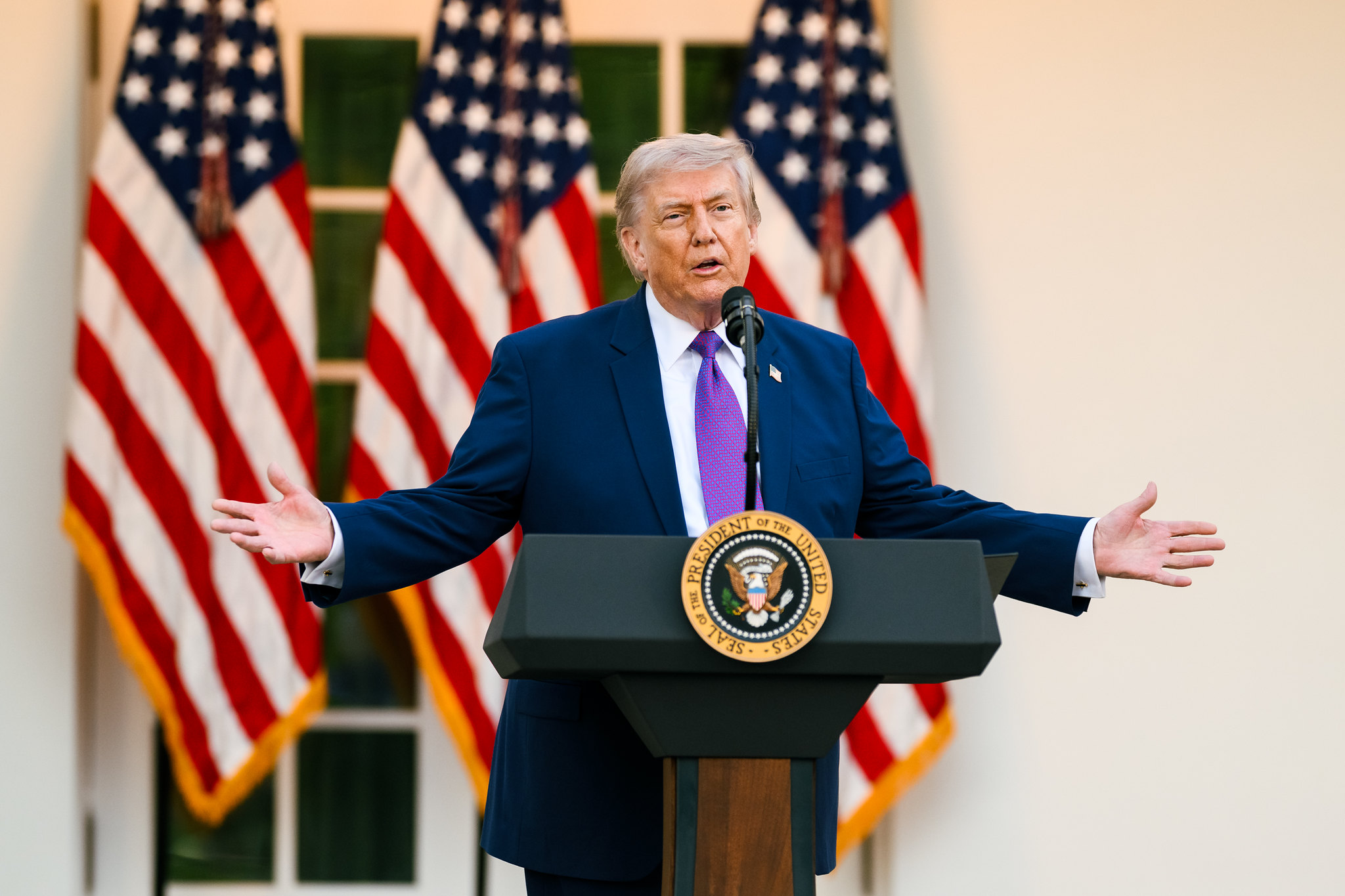
The new Federal Reserve chairman, Kevin Warsh, faces a tough task in accomplishing his goals at the Federal Open Market Committee (FOMC). When President Donald Trump nominated Warsh back in January, it was widely expected that the new chairman would aim to cut interest rates and reduce the Fed’s balance sheet holdings. But Warsh might not be able to accomplish everything he envisioned at the start of the year, thanks to soaring inflation driven by the Iran war and Trump’s tariff policies.
The Consumer Price Index climbed 3.8% year over year in April, and experts expect that number to climb even higher this month. Nonetheless, the bull market is as strong as ever. Despite the ongoing conflict in Iran, which has created tremendous uncertainty and geopolitical unrest and pushed prices for just about everything higher, the S&P 500 (^GSPC 1.24%) and Nasdaq Composite (^IXIC 1.54%) saw a strong recovery after their March declines. Both now trade at all-time highs.
But Warsh’s potential monetary policy moves at the Fed could be the undoing of the current bull market.
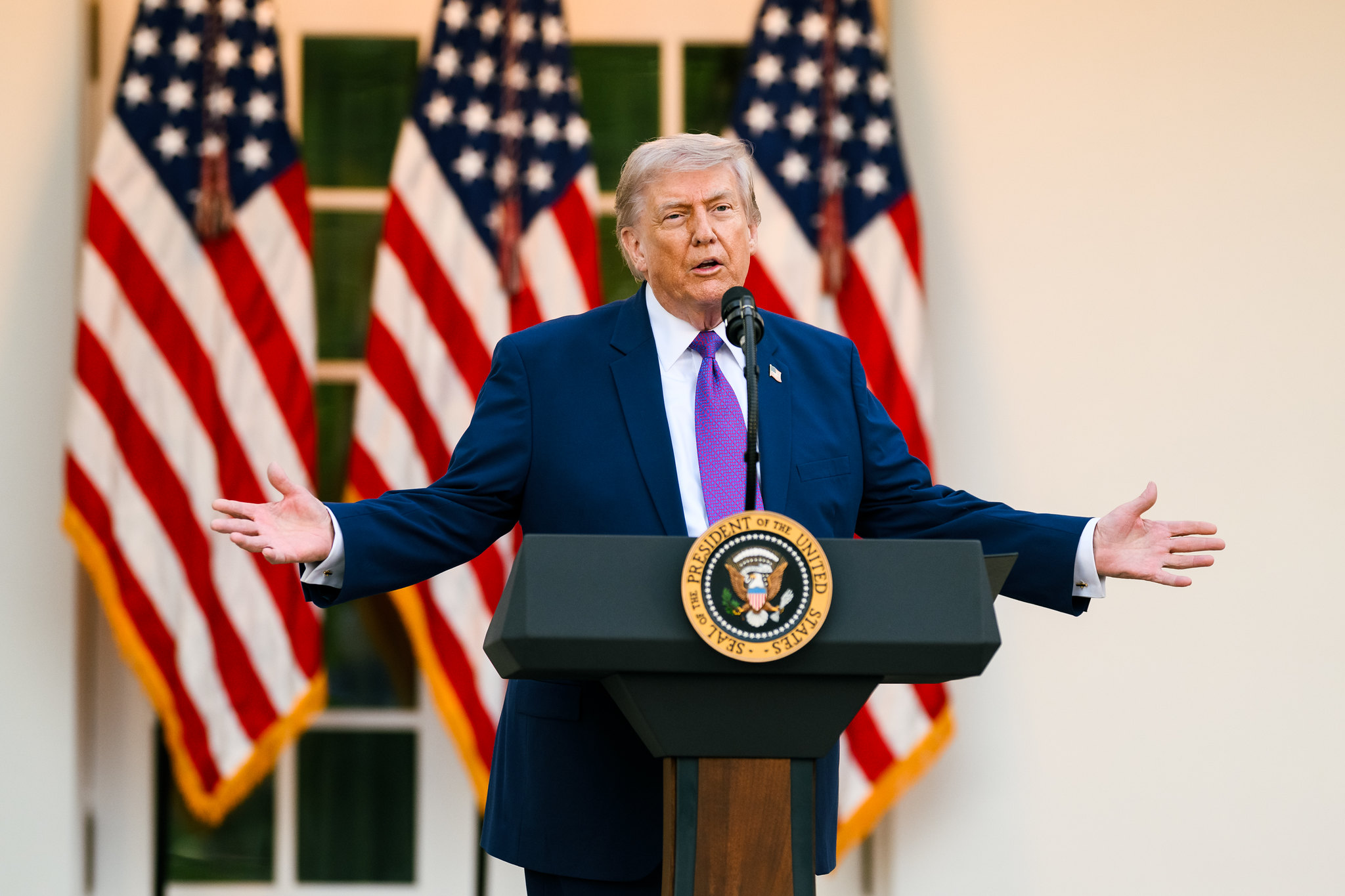
Image source: Official White House Photo by Molly Riley.
What does Kevin Warsh hope to accomplish at the Fed?
As Warsh assumes the duties of chairman, his primary goal is to deleverage the Federal Reserve’s balance sheet. Between 2008 and 2022, the Federal Reserve accumulated nearly $9 trillion worth of Treasury bonds and mortgage-backed securities. While that number was reduced between 2022 and mid-2025, it’s now creeping back up again, standing at $6.7 trillion. Warsh wants to cut that number to $3 trillion.
Selling assets from the Fed’s balance sheet will have a noticeable impact on the financial markets. When a major seller the size of the Fed participates in the market, the prices of long-term bonds and mortgage-backed securities will fall. When the price of bonds goes down, the yield on those bonds, the effective interest rate, goes up. In other words, long-term interest rates will go up.
Warsh may plan to use that to push for a lower target federal funds rate. He could theoretically mitigate the impact of reducing the Fed’s balance sheet by lowering the overnight rate, which would lower the rates for all debt. However, getting the timing right is critical to ensuring the Fed doesn’t curb job growth or spike inflation. That requires the rest of the FOMC to be on board with the plan to ensure it acts as needed, and that’s unlikely.
That’s because the Trump administration’s policies have put the Federal Reserve in a very precarious situation. Inflation is rising as a result of the war in Iran and tariffs, which should push the Fed to raise interest rates. That’s especially true considering the surprisingly resilient jobs market.
Warsh is likely to face serious opposition within the FOMC. Former chairman Jerome Powell has decided to stay on as a governor. There’s no doubt that he and Warsh disagree on at least some aspects of monetary policy. Meanwhile, there’s been growing dissent among the governors, with four dissenting opinions in the most recent meeting. Three of those dissents called to remove language suggesting the Fed would cut rates again in the near future. In fact, futures traders have effectively ruled out the possibility of another rate cut in 2026. Warsh’s goal will be to ensure the committee remains open to further rate cuts and steeper balance sheet reductions in 2027.
Here’s what it all means for the stock market
If Warsh can reduce the Federal Reserve’s balance sheet, it’ll push long-term interest rates higher. When that happens, it’ll cause investors to rerate stocks, as they can receive higher risk-free returns with long-term U.S. Treasuries. That will put selling pressure on stocks.
That pressure could be significant, given the current earnings multiples most stocks fetch today. The S&P 500 currently trades for a forward P/E ratio of 21. That’s well above its historical average between 16 and 17, although it’s down from the highs seen in late 2024 and 2025. The higher the current valuation, the further it can reasonably fall.
Perhaps the bigger challenge will be how the stock market deals with growing uncertainty. With increased uncertainty stemming from high inflation and geopolitical unrest, investors’ desire for a predictable Fed monetary policy will grow. Unfortunately, the Fed is unlikely to be predictable under Warsh as he battles to impose his preferred policy with governors who are increasingly shifting toward policies to raise interest rates or at least keep them steady. He’s likely to push for more vague language in FOMC press releases to maintain flexibility, further increasing uncertainty in financial markets. As a result, investors will demand a higher risk premium on stocks, further pressuring earnings multiples and driving stock prices lower.
The bull market may face its toughest challenge yet as we head into the back half of 2026.