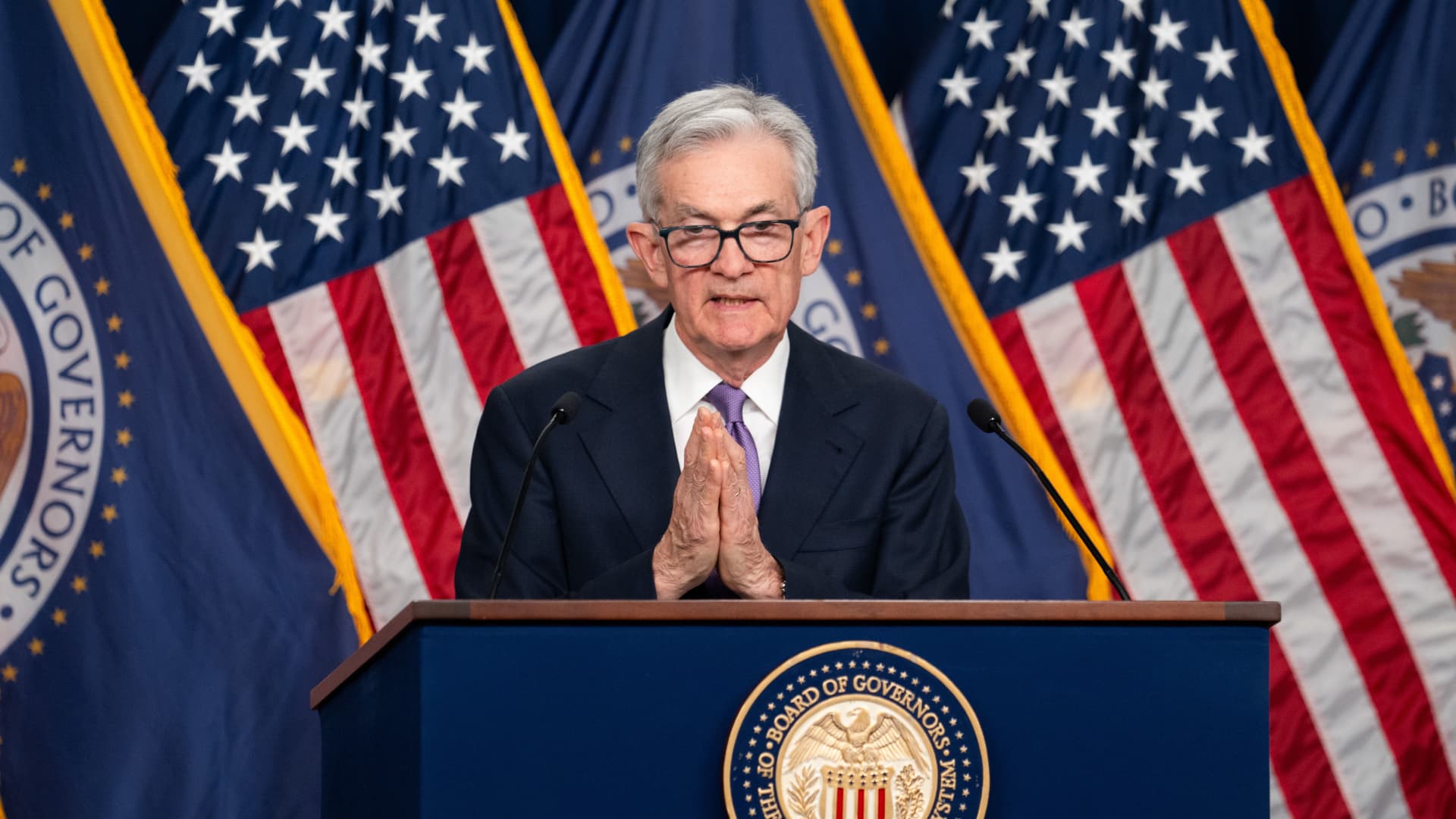










The Federal Reserve’s decision Wednesday to keep its benchmark interest rate steady is unlikely to budge mortgage rates for a couple of reasons.
Second, the Fed just isn’t the main character right now when it comes to mortgage rates. The war in Iran, now in its ninth week, is still setting the tone. The war disrupted global oil supply, which pushes energy prices and inflation higher. Inflation doesn’t just hit gas and grocery bills — it also spooks the bond market, which mortgage rates tend to follow.
If you want to buy or sell a home this spring, don’t just watch where mortgage rates are going. Watch why they’re moving in the first place. That can give you a clearer sense of what’s driving the housing market so you can manage your expectations for the months ahead.
Explore mortgages today and get started on your homeownership goals
Get personalized rates. Your lender matches are just a few questions away.
Won’t affect your credit score
Mortgage markets digest global uncertainty
The war in Iran sent mortgage rates steadily higher last month. After the conflict began on Feb. 28, average 30-year fixed mortgage rates rose about a half percentage point, from the high-5% to the mid-6% range.
Throughout April, though, mortgage rates have eased back into the low-6% range. The average rate on a 30-year fixed-rate mortgage fell one basis point to 6.09% APR in the week ending April 29, according to rates provided to NerdWallet by Zillow. A basis point is one one-hundredth of a percentage point.
As the Iran conflict drags on, markets aren’t reacting as much to every headline (or social media post) anymore. Investors seem to have tuned out the noise of will-they-or-won’t-they peace proposals.
Inflation was already above the Fed’s target range before the Iran war made it worse. But the labor market isn’t looking its best, either — it’s still chugging along in low-hire, low-fire mode.
“Neither side of the dual mandate is signaling more trouble than the other,” says Elizabeth Renter, NerdWallet senior economist. “Both have risks and there is no clear direction to take.”
For the Fed, holding the federal funds rate steady is a bit like a chef tasting a dish before deciding what it needs — any change would be hard to undo.
Eventually, the Fed will cut rates to boost the job market or raise them to cool inflation. But either move risks fixing one problem while making the other worse.
What it means for home buyers
The Fed moves slowly on purpose. But world events unfold quickly — and lately, borrowing costs have been reacting much faster to those forces.
If the situation in Iran eases and oil prices fall, inflation pressures could cool and mortgage rates could follow. But if the conflict escalates or inflation sticks around, borrowing costs could climb further. Upcoming jobs and spending data could tip the balance either way.
Some good news: Despite recent swings, mortgage rates are still nearly a full percentage point lower than last spring. So don’t sweat it too much if you didn’t lock in a rate that starts with a “5” back in February.