








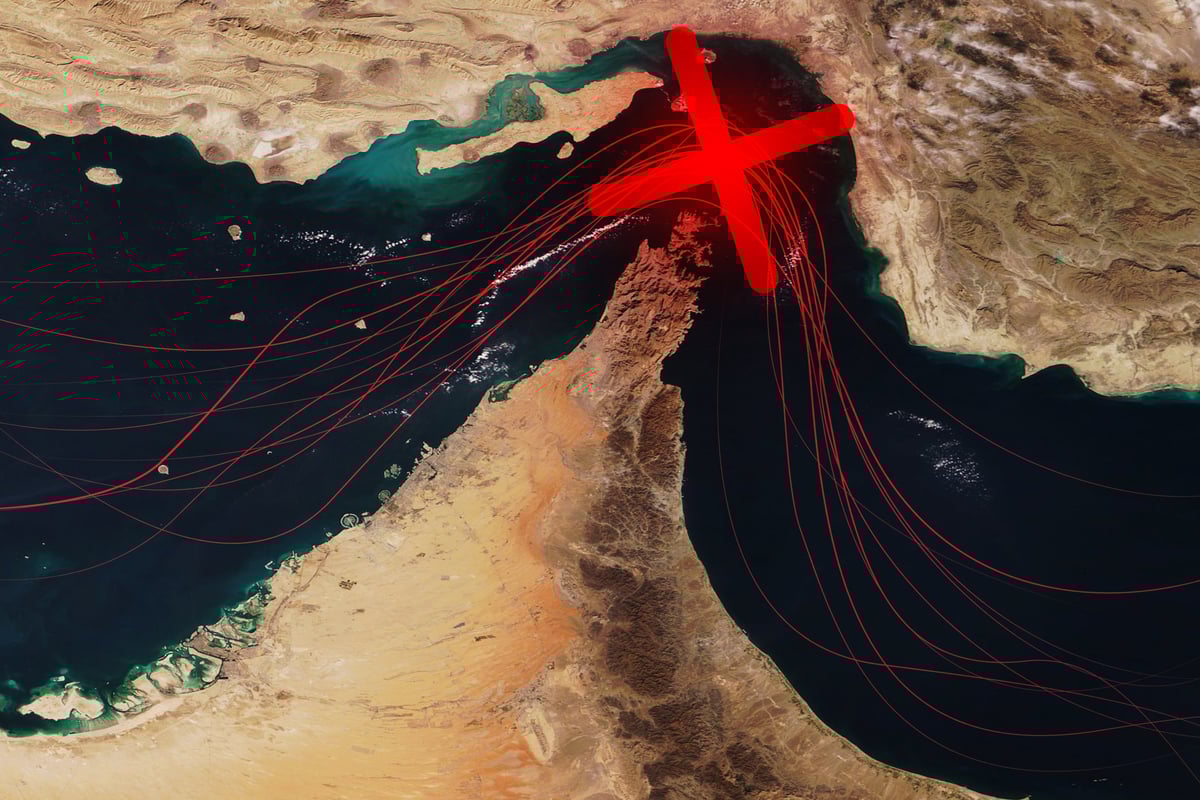
Unless you’ve waded deep into the weeds on energy sector chokepoints (as I did more than a decade ago), you’ve probably never heard of the Strait of Hormuz before this year. However, you’ve now likely become painfully familiar with this narrow passageway that links the Persian Gulf with the Gulf of Oman. Iran’s attacks on ships trying to move through the Strait have stopped the free flow of commerce, causing energy prices to spike and will likely cause more widespread inflation in the future.
The Strait of Hormuz closure is a classic black swan event, a term popularized by economist Nassim Nicholas Taleb. These outlier events cause extreme impact. While no one expected them, in hindsight, we should have been better prepared for the remote possibility that they’d occur.
Here’s a look at the impact the Strait of Hormuz closure is having on the global economy and lessons we can glean from this black swan event.
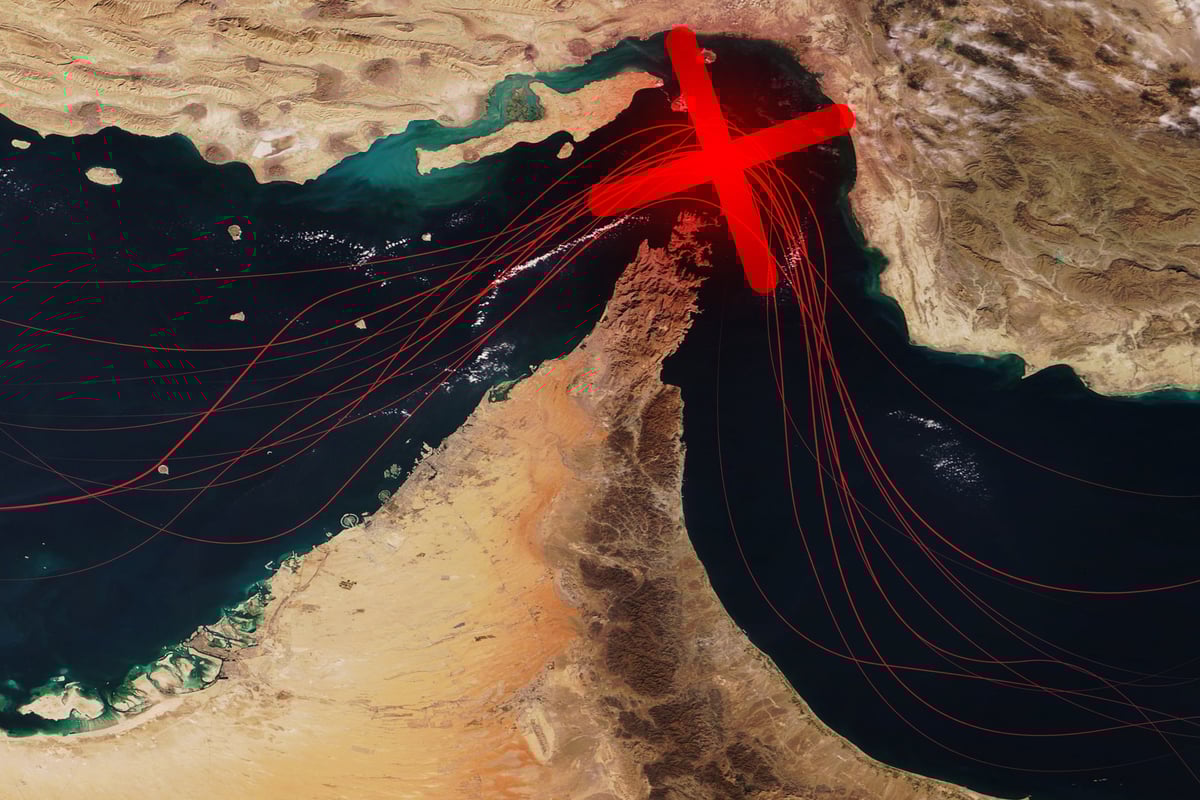
Image source: Getty Images.
One of the world’s most crucial waterways
The Strait of Hormuz is a narrow waterway (only 29 nautical miles at its narrowest point) between the Arabian Peninsula and Iran. It’s one of the most crucial energy corridors in the world. Before the war with Iran, 20% of global oil supplies moved through the Strait each day (25% of seaborne oil trade) and 20% of the world’s liquefied natural gas (LNG) exports. In addition to energy products, several other commodities, including aluminum (9% of global capacity) and fertilizer (20% of seaborne exports), passed through the Strait each day.
That’s a supply disruption of epic proportions. Each day the Strait remains closed, the global economy isn’t getting all the energy and other commodities it needs to grow. That puts it at a higher risk of a recession in the coming months.
Making matters worse, even if the Strait reopens, which it almost did last week, it will take a long time to normalize. While the Strait has an off switch — Iran’s attacks on ships and laying of sea mines in the Strait caused traffic to grind to a halt overnight — it will need time to reboot after a long closure. Several countries had to shut down oil production due to a lack of storage capacity. According to research from S&P Global‘s CERA, it could take as long as seven months for these oil fields to resume full production. It will also take time to ship and refine the oil once it starts flowing again.
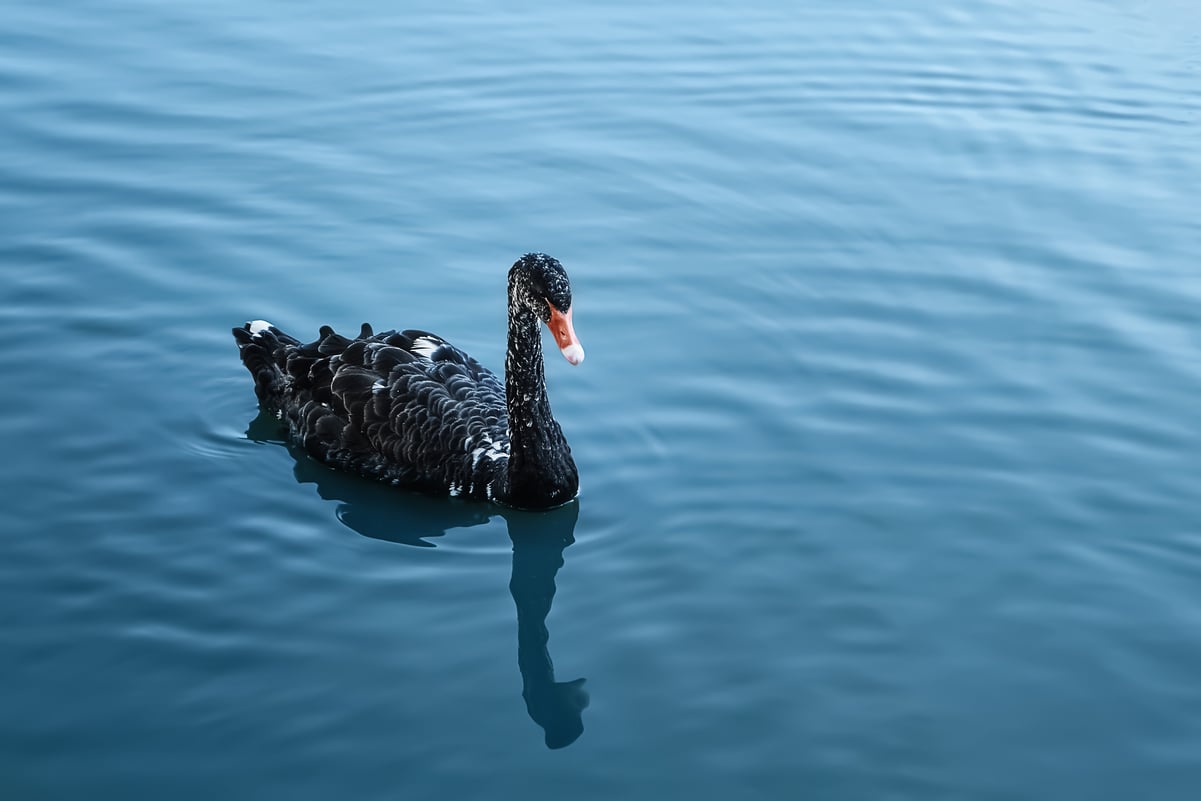
Image source: Getty Images.
Preparing for black swans in advance
Iran’s closing of the Strait of Hormuz has always been a risk facing the global economy. While oil prices have soared due to its closure, they haven’t risen as much as many feared. That’s because most countries have taken this risk seriously by preparing to navigate it in advance.
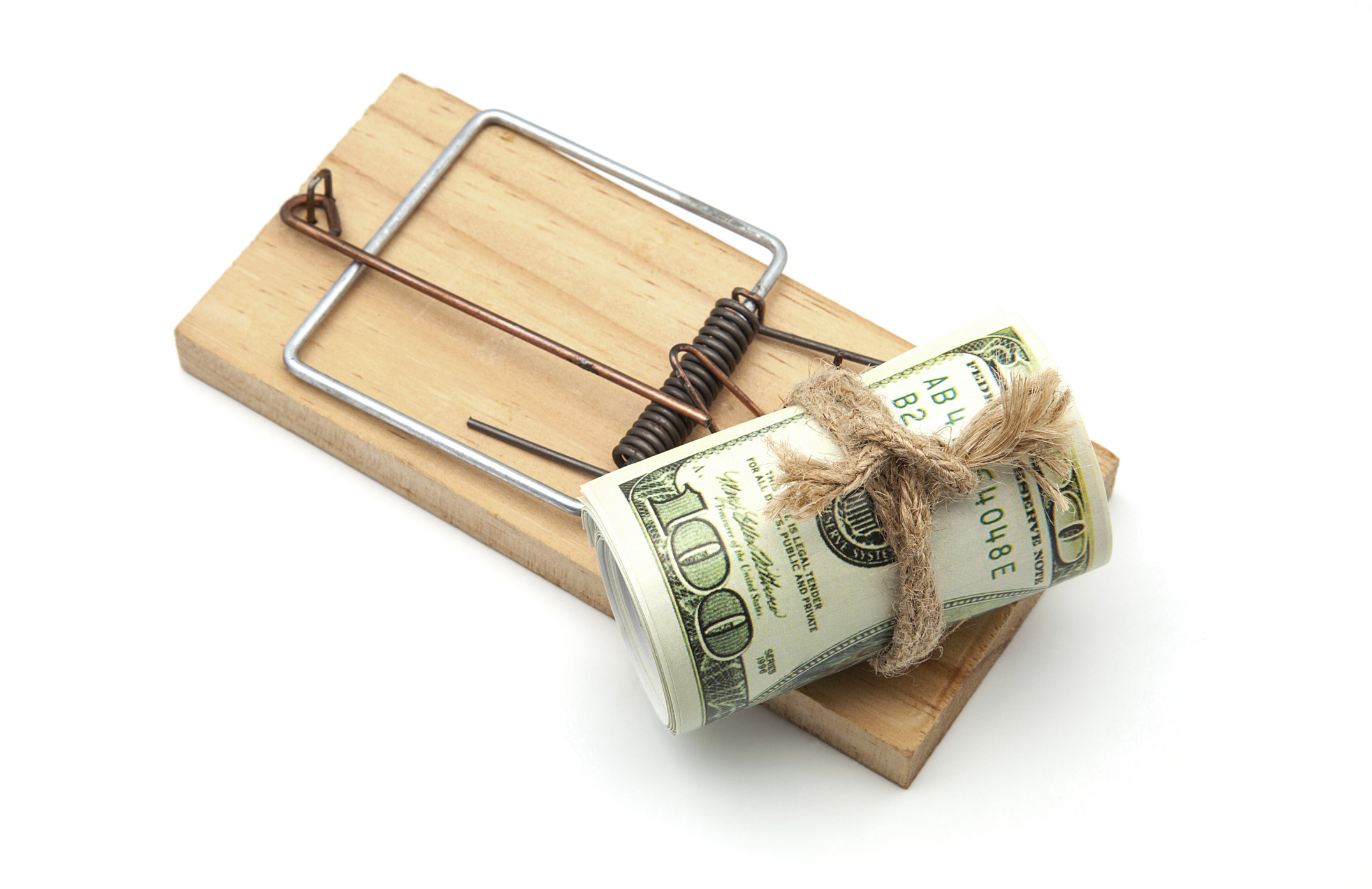
One way they’ve done that is by maintaining emergency oil stockpiles (e.g., the U.S. Strategic Petroleum Reserve or SPR). For example, the International Energy Agency requires member countries that aren’t net exporters to keep 90 days’ worth of imports on hand. Stockpiles such as the SPR are like an emergency fund. They can cover all your financial needs during an unexpected crisis, such as a job loss or a medical issue. A good rule of thumb is to be like net-importing countries and save at least three months’ worth of expenses in an emergency fund (up to six months if your income is more variable).
Another thing some countries have done is invest in building pipelines to bypass the Strait of Hormuz. Saudi Arabia recently completed an expansion of its East-West Pipeline to 7 million barrels per day, and the UAE’s Abu Dhabi Crude Oil Pipeline can transport 1.8 million barrels per day. While these pipelines can’t fully offset the closure, they’re enabling these countries to continue generating some revenue from oil sales.
These bypass pipelines are like having passive income streams, such as a portfolio of dividend-paying stocks or some real estate investments. While that income wouldn’t cover the full loss of your income during a crisis, it can help offset some of it. Making the upfront investment to build passive income streams now can help you generate income when your main source gets unexpectedly closed off.
Hope for the best, but prepare for the worst
Black swans, like the Strait of Hormuz closure, are outlier events that we hope will never happen. However, we should still prepare for potential black swans that could affect our finances, such as a job loss or a medical diagnosis. By preparing to navigate them before they happen with a strategic reserve and bypass capacity, you can make these potentially catastrophic events much less financially impactful.