









I’m a deals writer, but I love my tech, too. So when I read about AI companies hoarding computer memory and storage, I started worrying about my gadget habit — and asking questions.
I talked to Rick Broida, a senior tech writer for Yahoo, and he said the issue caught his attention while researching home security cameras.
What clued him in? MicroSD cards. You know, the tiny, traditionally cheap memory cards you pop in a camera to store footage.
“I looked at prices online and was like, ‘what happened?’” Broida, also author of the Deal Secrets newsletter on Substack, says.
The 128GB cards he was looking at had about doubled in price since the last time he checked.
It’s a small indicator of a larger issue. You thought AI was just a threat to the power grid and maybe your job? Now, it’s coming for all the chips.
And I’m not talking Doritos.
Meet MoneyNerd, your weekly news decoder
So much news. So little time. NerdWallet’s new weekly newsletter makes sense of the headlines that affect your wallet.

As AI companies race to build out data centers, they’re buying up massive quantities of high-end memory chips and computer storage.
The unprecedented demand has shifted manufacturing capacity away from the kinds of gadgets regular consumers buy, according to technology research firm International Data Corporation (IDC).
In turn, computer prices are expected to rise 17% this year, according to research firm Gartner. Smartphone prices are expected to go up by 13%.
Budget models in the sub-$500 PC category will go away altogether, Gartner predicts. That’s because the high cost of components cuts profit margins too thin for device makers.
The AI surcharge and your wallet
Prices have already gone up on popular products.
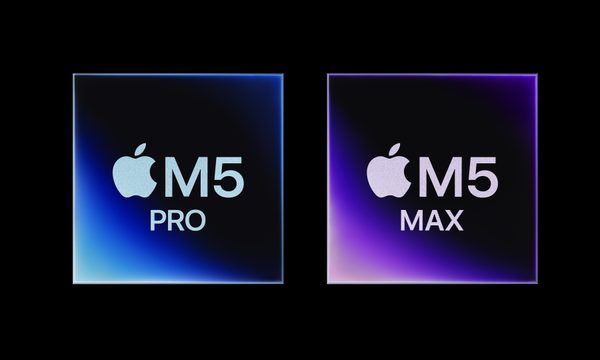
The MacBook Pro M5 models released earlier this year are up between $100 and $400 over MacBook Pro M4 models from 2024.
Need a new phone? Samsung’s latest S26 and S26+ phones are each priced $100 higher than last year’s models. Granted, the S26 now comes with a base storage of 256GB, up from 128GB.
What if you’re a gamer looking to upgrade your custom rig? Components like memory modules and high-capacity storage drives have gotten a lot pricier and scarcer in recent months.
“Global economic pressures” is Sony’s reason for increasing prices by $100 to $150 on its PS5 models effective April 2, 2026.

Bright spots that buck the ‘techflation’ trend
Reality doesn’t “byte” (punny, right?) for all consumer tech right now, though.
Despite price increases on pro-level devices, Apple found a way to put out its cheapest MacBook ever amid the chip shortage. It’s called the MacBook Neo, it goes for $599 and it has compelling value (and pretty colors).

“I’ll be curious to see if they don’t end up raising the price on that,” Broida says.
There’s also the iPhone 17e that got better specs and more starting storage in 2026 for the same $599 starting price as last year’s iPhone 16e.
Google’s Pixel 10a smartphone is another bright spot with solid speed and features for $499, or less when on sale.

But will these more affordable devices stick around? It’s still early in this situation, and IDC predicts the disruption and price inflation will be worse than the pandemic-related chip shortage several years ago.
If you’re worried, I have strategies for you.
Ways to navigate the upcharge
“Try to extend the life of what you already have,” Broida says.
The battery might be the only issue for that cellphone you’ve had for a few years. Many people don’t know how easy it is to have it replaced. For iPhone users, you can get it done at the Apple Store for around $100, depending on your model, he says.
Plenty of third-party “fix-it” shops can replace batteries easily and fairly affordably, too.
“It’s not cheap, you know, but it’s certainly a lot cheaper than buying a whole new phone,” Broida says. “You’ve just bought yourself another two, three years.”
2. Plan to pay more, or buy used
If you want a new computer for your kids or yourself, set aside a little extra, say $100 to $200, in your device budget. If you plan for a higher price, it may not hurt as much.
“You can also turn to the used or refurbished market,” Broida says.
Buy from a reputable reseller that offers some form of guarantee against issues.
3. Check the specs and price history before buying
You don’t have to know how RAM and SSDs work (or what the letters even mean), but you should glance at the specs before you buy a pricey gadget. In general, the more memory (RAM) and storage capacity (GBs or TBs) a laptop or phone has, the more expensive it might be.
With AI gobbling up all the chips, better specs will come at a premium.
Meet MoneyNerd, your weekly news decoder
So much news. So little time. NerdWallet’s new weekly newsletter makes sense of the headlines that affect your wallet.