









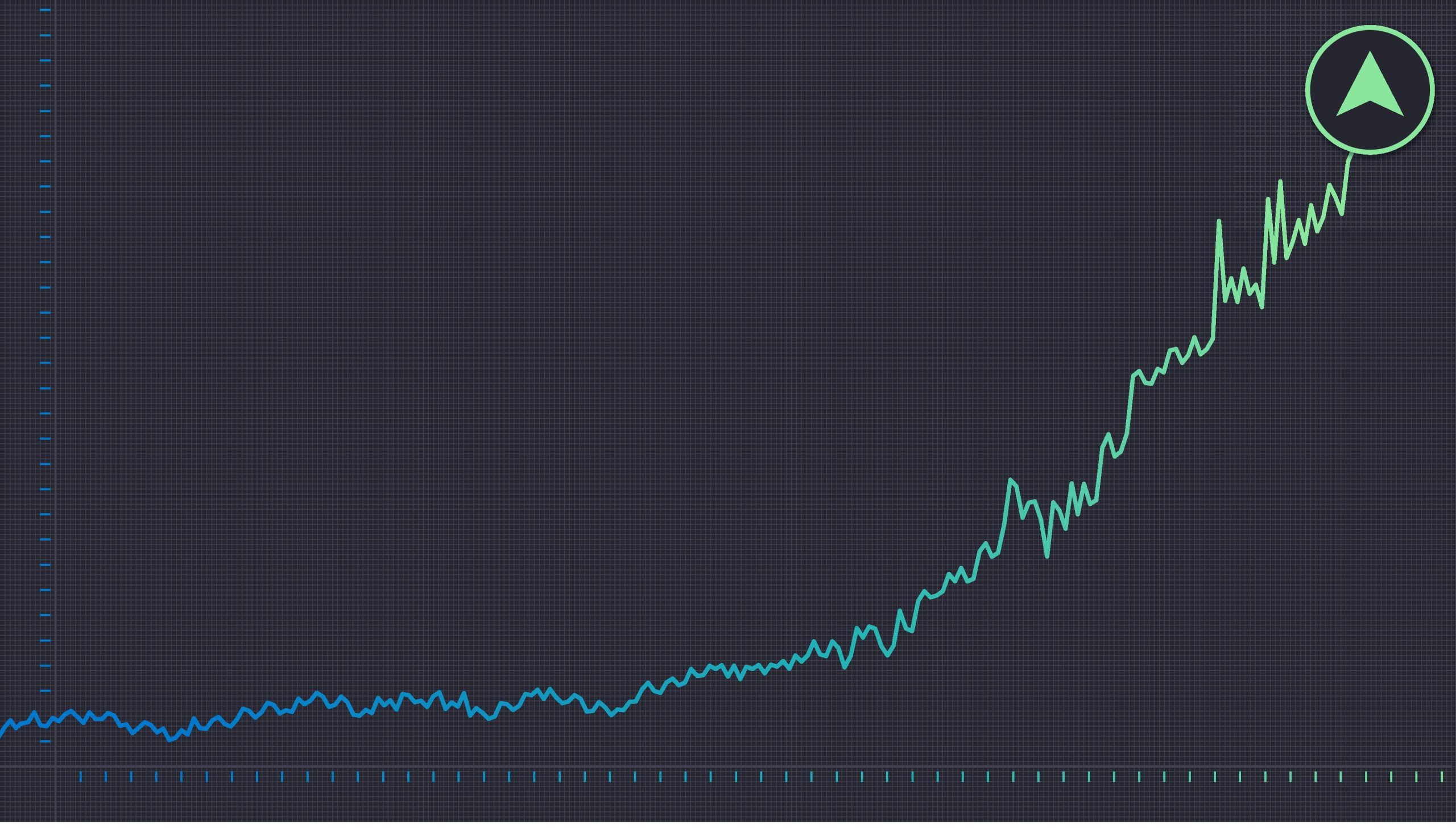
Shares of materials science specialist Corning (GLW +2.09%) surged earlier this week after the company announced a multi-year partnership with artificial intelligence (AI) chipmaker Nvidia. The deal, which dramatically expands U.S. manufacturing of the optical components that AI data centers rely on, sent the stock to fresh 52-week highs. With shares now up an incredible 315% over the last 12 months, the obvious question is whether this good news, combined with the company’s recent underlying strength, has already been priced in.
To be sure, the market’s enthusiasm makes sense. Beyond the Nvidia partnership, Corning has been quietly stacking up multibillion-dollar agreements with hyperscale customers, and it just stretched out its long-term growth plan through 2030. But with the stock up so sharply over the past year, investors may want to think carefully before chasing this rally.
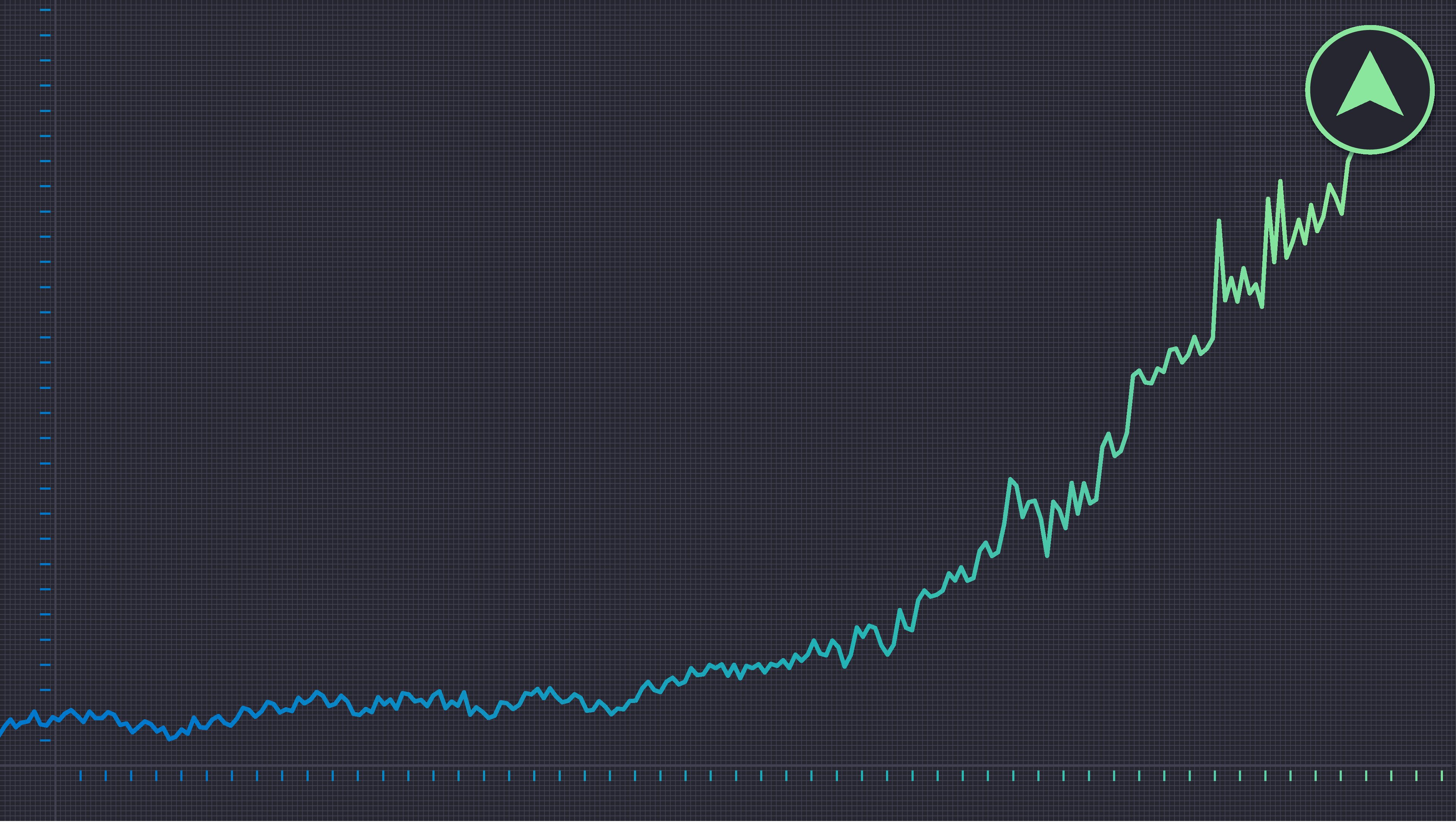
Image source: Getty Images.
A massive AI partnership
Under the deal, Corning will build three new advanced manufacturing facilities in North Carolina and Texas to expand production of advanced optical technologies or Nvidia-accelerated AI infrastructure. The build-out is sizable — it should result in a 10x increase in the company’s U.S.-based optical connectivity manufacturing capacity and a more than 50% jump in U.S. fiber production capacity. The plants are also expected to create more than 3,000 jobs.
In return, Nvidia is putting real money behind the partnership. The chipmaker has purchased pre-funded warrants for 3 million Corning shares for $500 million up front. It also receives warrants to buy up to 15 million additional shares at an exercise price of $180. If Nvidia eventually exercises everything, its total investment in Corning could reach about $3.2 billion.
The strategic logic is straightforward. As AI workloads scale, the copper interconnects traditionally used to shuttle data inside server racks are bumping up against speed and energy limits. Optical connectivity — using glass fibers to move data with light — is increasingly seen as the path forward. By locking in Corning as a long-term supply partner and putting capital behind the expansion, Nvidia helps ensure it doesn’t run into bottlenecks as it ramps its next-generation systems.
“Silicon photonics and optical technology is a very big part of that,” Nvidia CEO Jensen Huang said in remarks following the announcement, pointing to the company’s supply chain priorities for the next phase of AI.
More than just one deal
Even more, the Nvidia partnership doesn’t sit in isolation. It fits inside a broader run of deal-making at the optical specialist. When the company reported its first-quarter 2026 results in late April, it disclosed that two additional hyperscale customers had signed long-term agreements similar in size and duration to Corning’s previously announced multi-year, up-to-$6 billion deal with Meta Platforms.
Underlying business momentum is impressive, too. Corning’s first-quarter adjusted sales rose 18% year over year to $4.35 billion, and adjusted earnings per share grew 30%. The optical communications segment was the standout, with sales up 36% year over year to $1.85 billion.
The 175-year-old company also stretched out its long-term plan, dubbed Springboard, at its investor event on May 6. Corning now expects to hit a $20 billion annualized sales run rate by the end of 2026 and to compound at a 19% annual rate from there through the end of 2030, when it expects to reach a $40 billion run rate. Within that, the company’s new photonics business serving Gen AI customers like Nvidia is expected to grow into a $10 billion revenue stream by 2030.

Today’s Change
(2.09%) $3.81
Current Price
$186.21
Key Data Points
Market Cap
$157B
Day’s Range
$185.00 – $198.23
52wk Range
$44.83 – $198.25
Volume
1M
Avg Vol
13M
Gross Margin
35.64%
Dividend Yield
0.61%
That said, the stock isn’t cheap. Trading at over 60 times this year’s expected adjusted earnings as of this writing, much of this growth story arguably looks priced in already. Risks remain, too — including the possibility that AI infrastructure spending eventually cools or that hyperscale customers push back on pricing as their long-term commitments mature.
Even so, with a string of multibillion-dollar customer agreements now anchoring its growth plan, a small position to capture some of the upside from these catalysts could make sense for investors comfortable with the risks and the elevated valuation.