








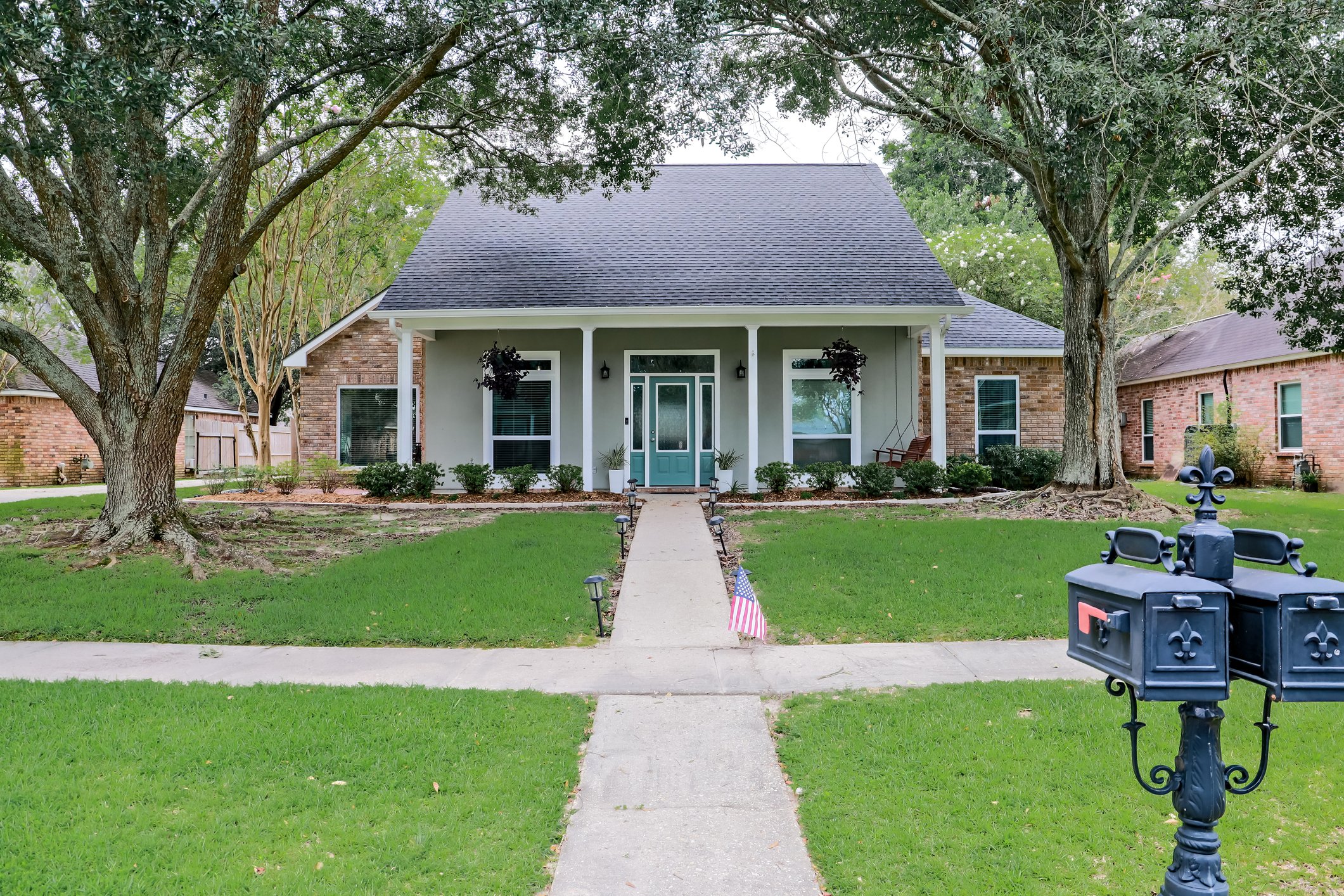
Many people find that housing is their biggest ongoing expense. And that may be the case in retirement, too.
But what if you’re able to pay off your home before retirement starts? For a lot of people, this happens naturally. Sign a mortgage in your early 30s, and by the time you’re ready to end your career, you may be done with those payments.
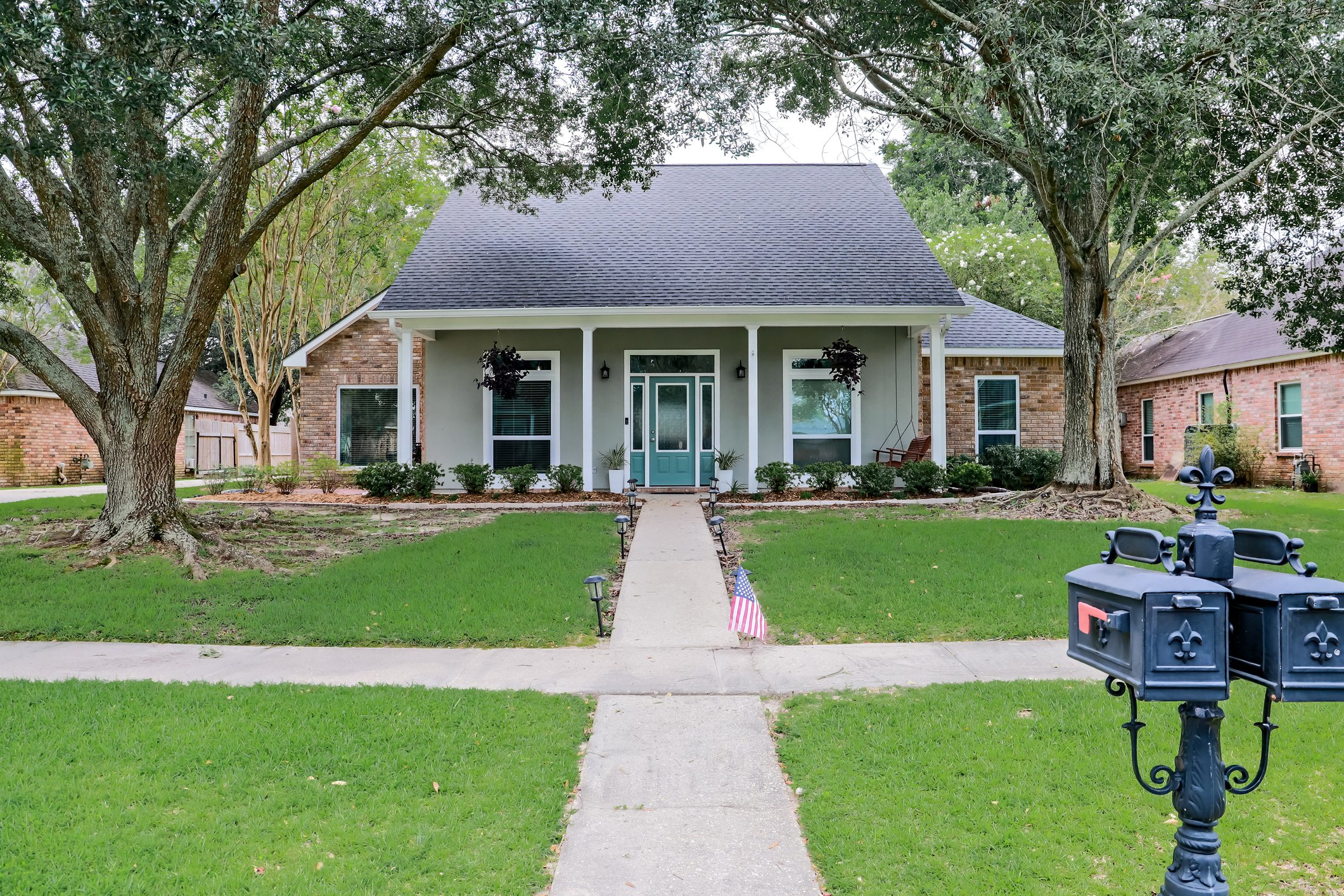
Image source: Getty Images.
But just because you own a home mortgage-free in retirement doesn’t mean housing will be an easy expense to manage. There are other home-related costs that might bust your retirement budget over time.
A paid-off home isn’t automatically affordable
You might assume that once your mortgage is gone, your home should be pretty easy to afford even on a relatively tight budget of Social Security and retirement plan withdrawals. But remember that your mortgage is (or was) only one expense associated with owning your home. And your remaining costs not only exist but could climb.
First, your property taxes could rise, especially if home values increase where you live. Some states do have property tax freeze programs for seniors. But there are rules to follow, and it’s not a given that you’ll be eligible.
Then there’s homeowners insurance. Your premiums could rise over time due to factors like severe weather and higher rebuilding costs — even if you don’t file any claims against your policy.
Maintenance is another ongoing expense that never goes away. Gutters need to be cleaned, HVAC systems need to be serviced, and lawns need to be cared for.
Plus, things can break, especially as your home ages. A new roof or water heater could wreak serious havoc on your budget, even if you generally spend your money carefully.
Don’t let your home become a money pit
You might assume that being mortgage-free automatically makes your home affordable throughout retirement. In reality, the outside costs of owning your home could be too much for you to manage.
That’s why it’s important to do two things. First, plan for the full cost of homeownership. Factor the age and state of your home into your financial plan to estimate what to set aside for maintenance and repairs in particular.
Next, track your home-related spending your first few years of retirement and be honest with yourself. If it’s more than what you’ve bargained for, you may not want to stay in your home despite owning it outright.
Downsizing could help you lower your costs, but that’s not your only option. Depending on what property tax and insurance rates look like in your area, it could actually pay to move someplace else where housing is more affordable.
Remember, if you’ve pocketed a nice amount of equity in your home, selling it could allow you to buy a less expensive home outright that comes with lower costs plus have money left over to pad your retirement savings and invest.
Staying put doesn’t always pay
Paying off your mortgage before retirement is often a win. But that doesn’t guarantee you’ll be able to afford to continue living in your home throughout your senior years. If the cost of staying in your home climbs due to rising taxes, insurance rates, and upkeep, it could pay to make a move so your budget isn’t too drained.
It’s true that moving can be a hard thing, especially if you like your neighborhood and have a strong social network and support system nearby. But there may come a point when you’re sinking so much money into your home that you’re neglecting other needs.
You don’t want to have such high housing costs that you’re struggling to afford healthcare or you can’t participate in social activities due to a lack of funds. So keep tabs on your home-related spending and set an annual spending limit you’re comfortable with. Once you start to exceed it consistently, it may be time to consider a move.

