








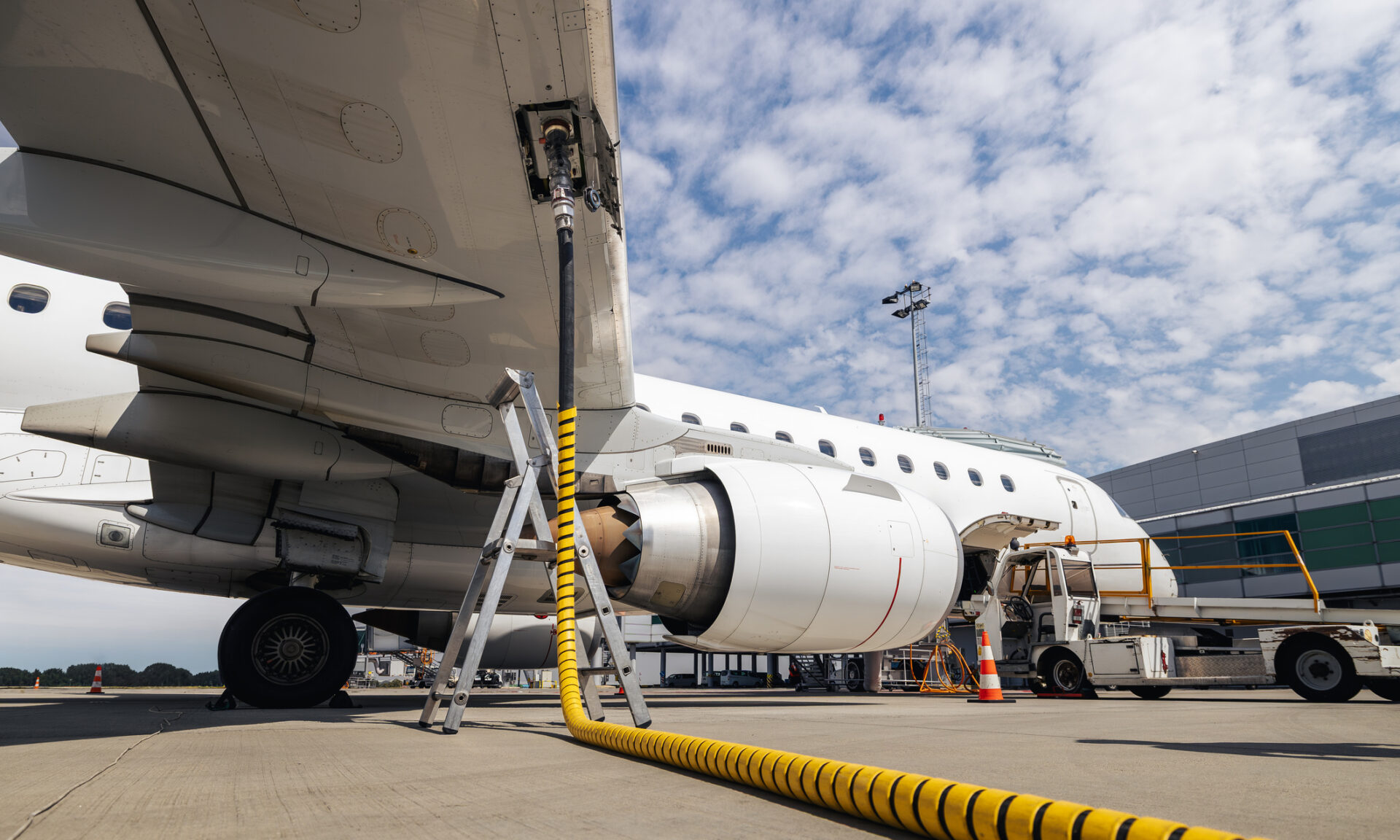
Jet fuel prices are soaring — and that means your next flight could cost more, come with extra fees or get cut altogether.
There’s no question that rising jet fuel costs will affect your next flight. But if you know what to expect, there are still ways to plan ahead and avoid the worst outcomes.
The most obvious impact of high fuel costs for consumers will be higher ticket prices.
An executive from United Airlines recently said the company may need to increase airfares by 15% to 20% to offset jet fuel spikes.
On an April 2026 earnings call, American Airlines reported planning for an assumed $4 per gallon cost for jet fuel — up from the average price of $2.39 per gallon reported by the Bureau of Transportation Statistics in February 2026. That would represent a $4 billion increase in the airline’s operating expenses through 2026.
At the same time, supply is shrinking. Both domestic and international airlines are cutting costs by canceling less profitable flights and reducing their flight schedules. Airlines including Air Canada, Delta Air Lines, Lufthansa Airlines and Ryanair are among those that have already announced reduced flight schedules. Fewer flights means there’s less reason for airlines to compete on pricing.
Book your flight sooner rather than later. As air travel gets more expensive, waiting until the last minute to book could make your ticket far pricier.
Airlines are also responding to higher fuel prices by increasing fees along with airfare.
But don’t expect these fees to decrease once fuel prices drop. Airline fees usually go up, not down. Passengers should also prepare to pay more for other add-ons, including seat selection, priority boarding and in-flight services like Wi-Fi.
International airlines deal with fluctuating fuel costs by adding a fuel surcharge to the price of a ticket. And those carrier-imposed fees are also going up. Japan Airlines has nearly doubled the fuel surcharge fees on most of its routes, while All Nippon Airways is now charging $386 on top of the price of a ticket for flights from Japan to North America (up from $142 in March 2026). Other airlines that have increased fuel surcharges include Virgin Atlantic, Air France-KLM, Korean Air, Emirates, Lufthansa, Cathay Pacific and Air India.
Unfortunately, fuel surcharges are generally added onto flights paid for with cash or points, so booking an award flight may not help you avoid this fee.
3. Struggling budget airlines
Take Spirit Airlines. The airline ceased operations on May 2, 2026, canceling all flights. Passengers got stranded at the airport, Free Spirit points became worthless and flyers lost a low-cost option. While the airline was already in trouble, higher fuel costs accelerated its financial woes.
Other budget airlines are also reeling from fuel prices. One week before Spirit’s collapse, The Wall Street Journal reported that a consortium of ultra-low-cost carriers, including Frontier Airlines and Allegiant Airlines, was seeking $2.5 billion in government assistance to help offset the expense of higher fuel prices.
Spirit’s collapse is a good reminder that points and miles aren’t guaranteed. You can lose them — sometimes, without warning.
If you have a glut of points and miles with a low-cost carrier facing potential financial problems, take this as your sign to start burning them. Don’t wait for the perfect redemption; aim for good enough.